
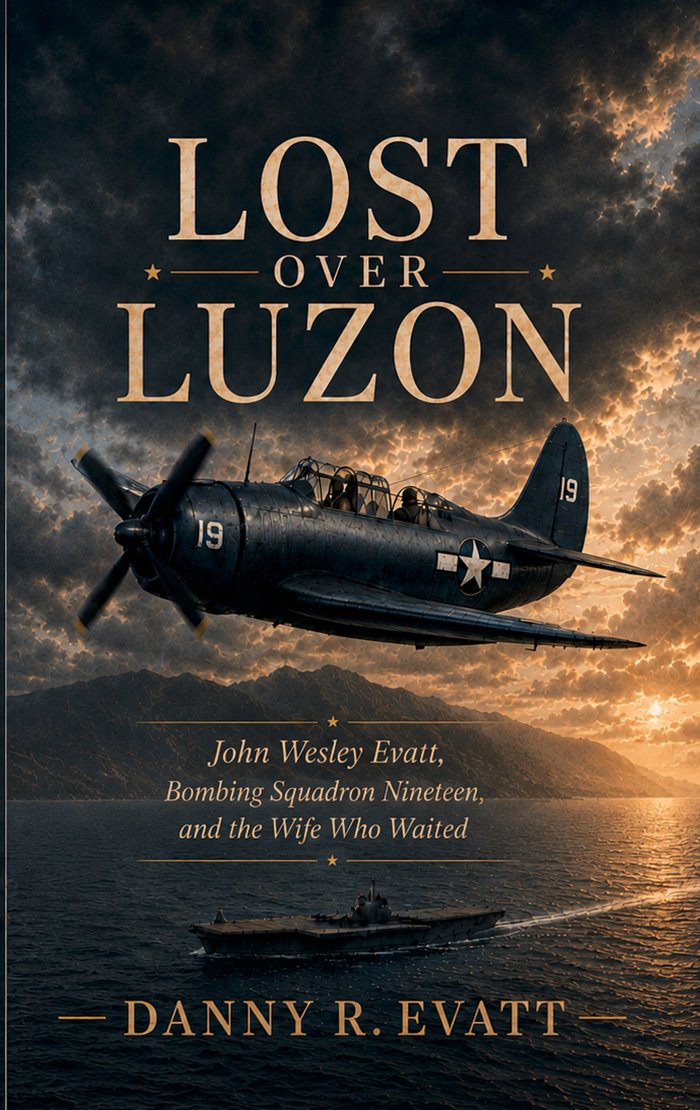
A true story · World War II
Lost Over Luzon
John Wesley Evatt, Bombing Squadron Nineteen and the Wife Who Waited
They had been married just nineteen days when John left for the Pacific.
Lost Over Luzon tells the true story of Texas naval aviator John Wesley Evatt and his wife, Jeanne. Through surviving letters, squadron accounts, and Navy records, Danny R. Evatt follows his uncle’s wartime service and the uncertainty Jeanne faced when John was reported missing.
Jeanne kept his letters for more than seventy years. Those papers helped bring their story to life.
Explore the history behind the book ↓
Read a sample from Lost Over Luzon (PDF) ↗Two pages from “Missing in Action.” Opens in a new tab.
The people behind the story
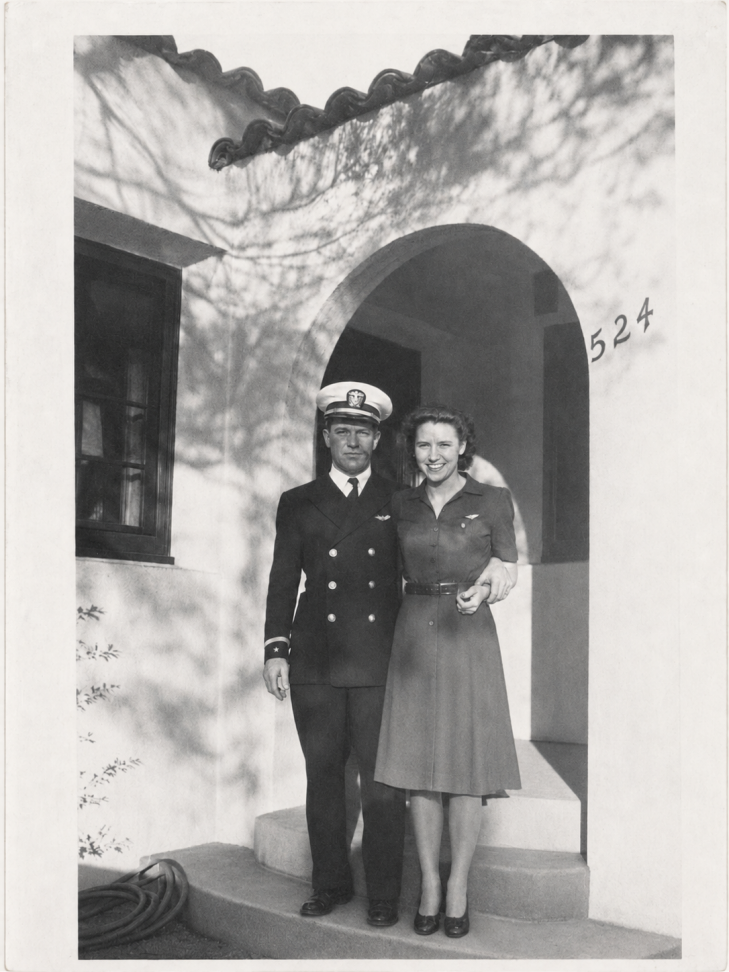
John and Jeanne
A photograph from the family collection, reproduced in Lost Over Luzon.
Meet Danny R. Evatt and explore his books →In memoriam
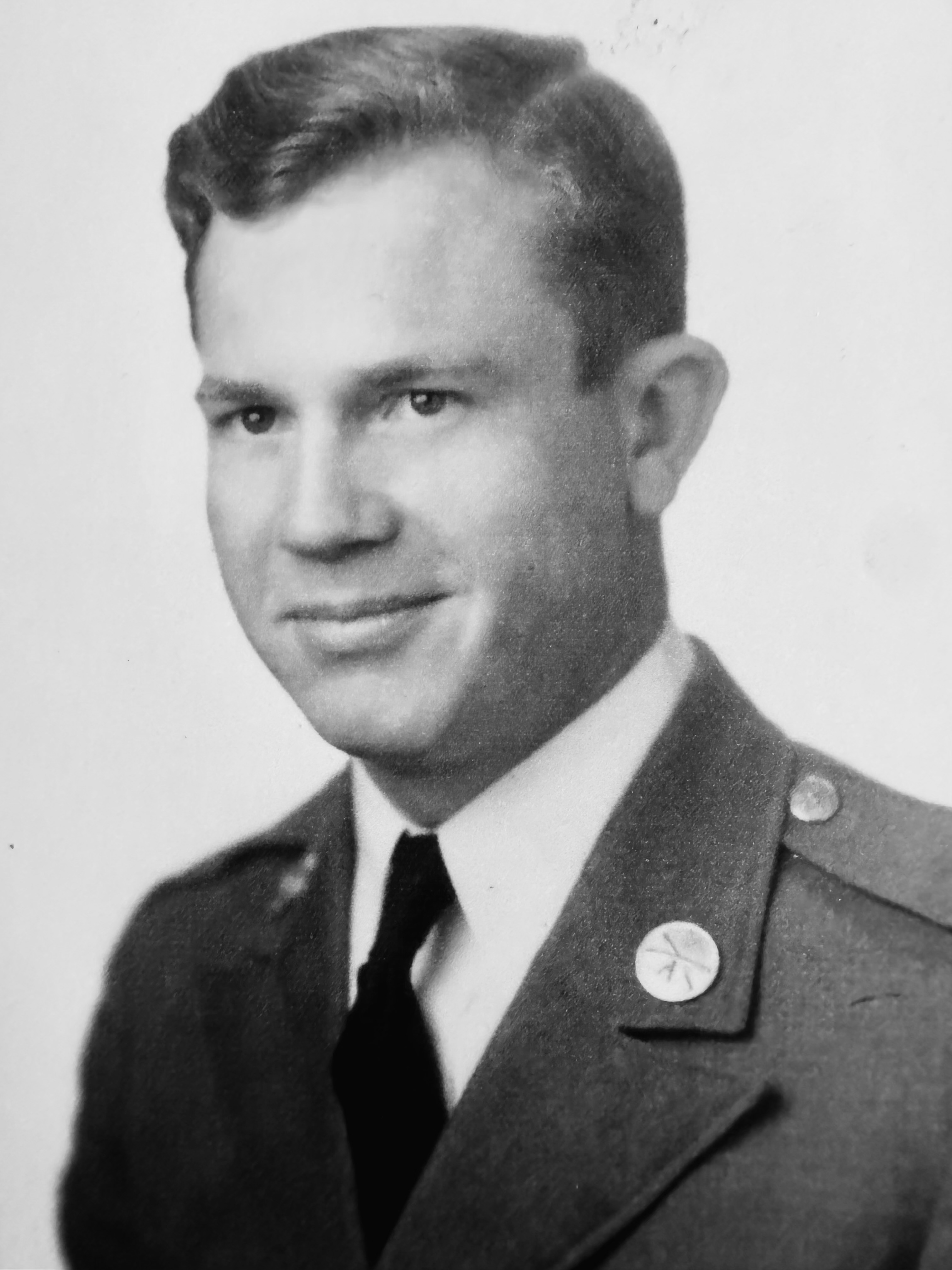
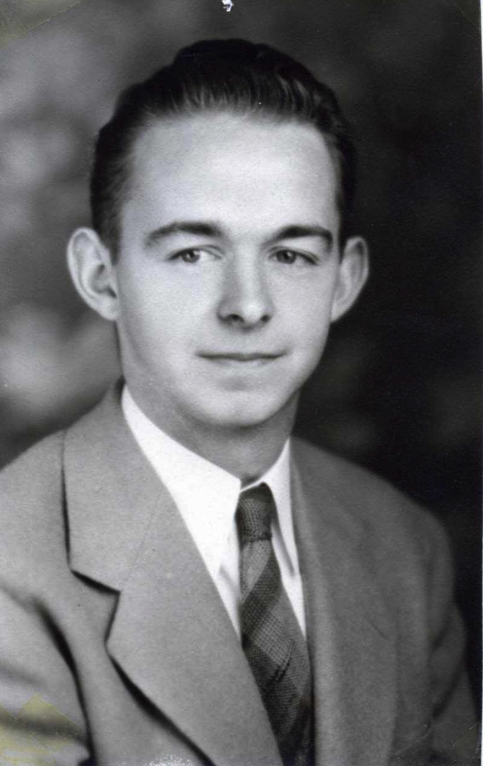
Remembering John and Richard
John Wesley Evatt and Richard Edward Hansen were lost together over Luzon on November 5, 1944.
Explore the book’s subject
John Wesley Evatt, Bombing Squadron Nineteen, and the story behind Lost Over Luzon
A reader’s guide from Duo Lepores Press · Updated November 18, 2026
Who was John Wesley Evatt?
John Wesley Evatt was a Texas naval aviator who served with Bombing Squadron Nineteen during World War II. His story connects two places that were very far apart in 1944: the home where his wife waited for news and the aircraft carrier from which he flew in the Pacific. Lost Over Luzon follows both, drawing on family papers and military records to recover the life behind a name on a memorial.
John was born in 1922, and the book follows his path from Texas into naval aviation. Training brought him to California, where he met Jeanne. They married in Long Beach in February 1944, but their life together was soon interrupted by his departure for the Pacific. They had been married nineteen days. That short interval gives the surviving correspondence its particular weight: much of their marriage had to be carried on through letters.
What was Bombing Squadron Nineteen?
Bombing Squadron Nineteen, often abbreviated VB-19, was a United States Navy dive-bomber squadron. Its wartime story belongs to the carrier campaign in the Pacific, and the book places John’s service within the experience of the pilots and enlisted aircrew who trained and fought alongside him.
The aircraft carried a pilot in front and a gunner/radioman behind him. Their duties were different, but their survival depended on the same airplane and the same return to the carrier. The book explains dive bombing, carrier operations, and the work surrounding a combat flight so that a reader without a military background can follow what the men were being asked to do.
A squadron history also helps fill the gaps in an individual service record. It can establish where the unit operated and what missions it undertook, although a unit’s presence does not by itself prove that one named pilot flew every mission. The source notes distinguish records that name John from broader accounts used to explain the setting.
What happened over Luzon?
John Wesley Evatt and Richard Edward Hansen were lost during operations over Luzon in the Philippines on November 5, 1944. Hansen was the enlisted gunner/radioman flying with John. The account draws on the USS Lexington action report, Navy loss records, squadron recollections, and the later correspondence concerning John’s disappearance.
Those records matter because a wartime loss can acquire several dates in later retellings. The date an aircraft went missing, the date a family received official notice, and a later administrative finding of death describe different events. In John’s case, the book’s notes distinguish the November 5 loss from the dates used in subsequent paperwork and on a family memorial marker.
The memorial pages for John Wesley Evatt and Richard Edward Hansen provide a place to remember the men individually. The book brings their shared loss back into the larger story of service, family, and the long wait for an answer.
Why are Jeanne’s letters and papers central to the book?
Military records describe service, operations, and official decisions, while family correspondence preserves a different kind of evidence. Jeanne kept John’s letters for more than seventy years. Their survival allows the account to remain close to the marriage itself, rather than treating the person at home as a brief footnote to the fighting.
A letter belongs to a particular moment. Its writer knows only what has happened so far, and its recipient may read it days or weeks later. Reading the correspondence in that order restores some of the uncertainty that disappears when a story is told only from its ending. Affection, ordinary plans, and the wish for news continue on the page even when a modern reader knows that the war will interrupt them.
The book therefore follows Jeanne’s experience alongside John’s. Her preservation of the papers is part of the history: without that care, much of the personal record would have been lost.
How does the book distinguish evidence from reconstruction?
Lost Over Luzon is based on real people and documented events, but a readable narrative also contains reconstructed scenes. Its source notes identify dialogue, private moments, and scene details that were recreated, alongside the letters, photographs, official records, and squadron accounts on which the documented history rests.
That distinction lets readers appreciate the narrative without treating every spoken sentence as a surviving quotation. It also helps explain why the book sometimes leaves a question open. A missing record cannot be replaced by certainty simply because a complete answer would make the story easier to tell.
Readers interested in World War II naval aviation, the USS Lexington, VB-19, or the experience of wartime families will find those subjects connected through one couple’s life. The free PDF sample from “Missing in Action” offers a short introduction to the book’s treatment of that experience.
Sources and reading notes
Based on Danny R. Evatt’s Lost Over Luzon and its chapter source notes, including family correspondence, the USS Lexington action report of November 22, 1944, Navy loss and service records, and The Voices of Bombing Nineteen. The book identifies reconstructed scenes separately from documented events.